A Simple Way to Make Clothes Work for You
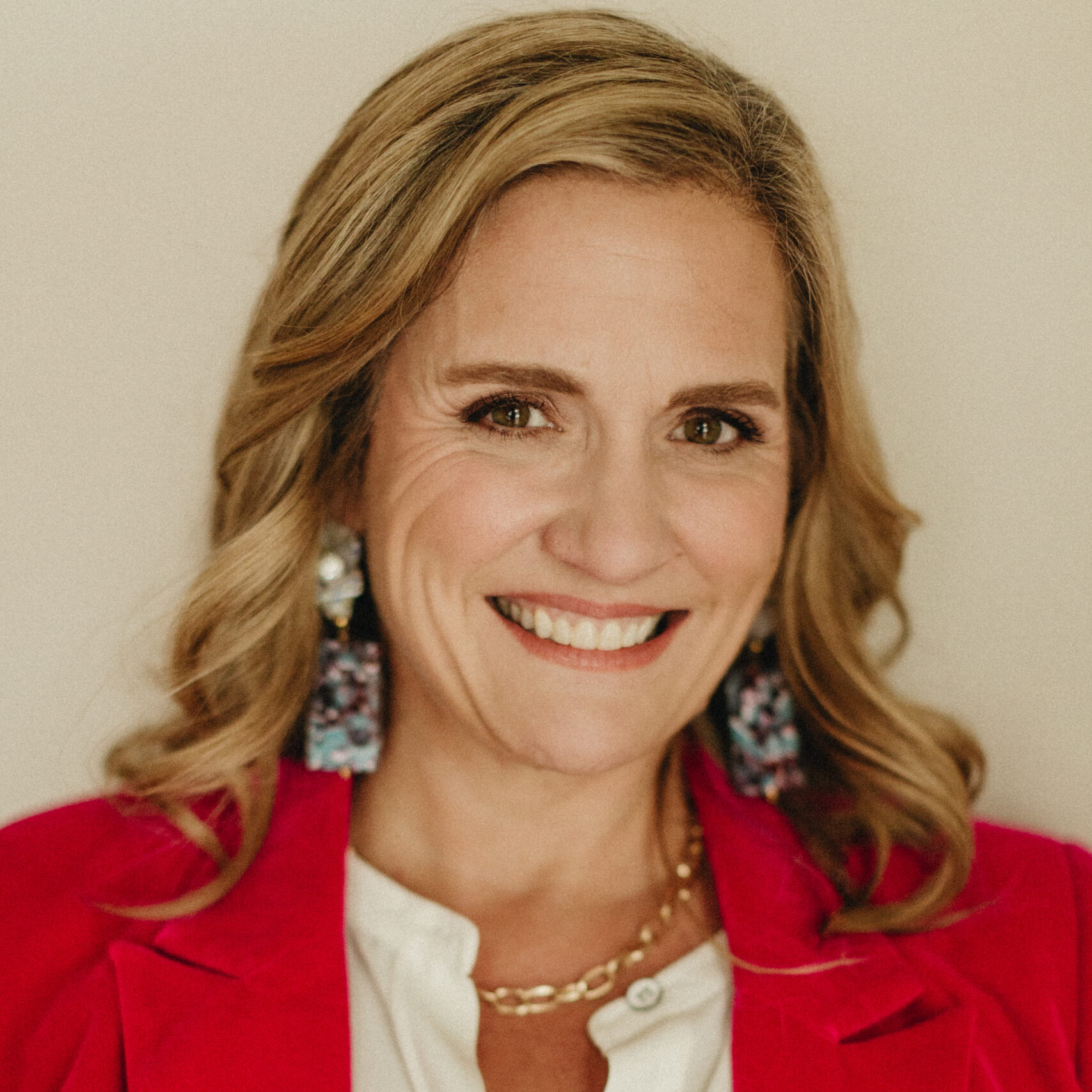
Former attorney turned personal stylist Estelle Winsett helps women lawyers show up with confidence, authority, and authenticity—starting with their wardrobe. In this episode of Styled by Estelle, she introduces her Hourglass Method, a simple, visual approach to understanding body shape and proportion so clothes naturally enhance rather than distract.
Estelle developed this method after realizing how confusing traditional “fruit” body types—like apple or pear—can be. “Most women don’t relate to being compared to a fruit,” she explains. Instead, she wanted a system rooted in clarity and balance. The Hourglass Method provides just that—an easy framework for identifying what makes an outfit look “off” and how to fix it using shape, structure, and proportion.
Why Proportion Matters in Style
According to Estelle, every great outfit starts with balance. When proportions are right, the eye moves evenly from head to toe. But when something feels off—when attention gets stuck on one part of the body—it usually means visual balance is missing.
To identify this, Estelle suggests a simple self-assessment: wear a fitted top and leggings, stand in front of a mirror, and notice where your shape feels heavier or lighter. “Only about 8% of women naturally have an hourglass shape,” she says. “The rest of us use clothing to create that illusion.”
By knowing whether you’re smaller on top or bottom, you can make strategic adjustments—adding volume where needed and reducing it where it’s excessive.
How to Create Visual Balance
If someone is smaller on top and fuller at the bottom, Estelle recommends adding visual volume to the upper half through tops with ruffles, structured fabrics, or shiny materials that reflect light. Conversely, those who are smaller on the bottom can balance their frame with wide-leg pants, pleats, or textured fabrics like corduroy.
For women with a naturally defined waist, accentuating it is key—belts, wrap styles, or garments that cinch the waist emphasize proportion. For those without strong curves, diagonal lines, long pendant necklaces, or structured blazers can help create the illusion of a waistline. “It’s all about tricking the eye,” Estelle says. “You’re creating the look of balance, not forcing your body into it.”
Using Accessories to Enhance Shape
Accessories play a major role in balancing proportions. Statement earrings, for instance, draw the eye upward—perfect for women who want to shift focus away from their lower half. Similarly, statement shoes attract attention downward, which helps balance a heavier top half.
“The goal isn’t to highlight one area,” Estelle explains. “It’s to make everything feel harmonious—like makeup done right. You don’t notice the individual parts, just how well everything comes together.”
Choosing the Right Fabrics and Textures
Fabric choice can dramatically affect how balanced an outfit looks. Textured materials like corduroy or heavier weaves add fullness, making them ideal for balancing smaller areas of the body. Shiny fabrics such as satin or taffeta reflect light and create visual volume—use them strategically depending on where you need balance.
“For example,” Estelle advises, “if you have a smaller top, a satin blouse can help even things out. But a satin skirt might emphasize the bottom half too much.”
The Role of Cuts, Necklines, and Jackets
Certain clothing cuts can flatter nearly every body shape. The V-neck top, for instance, elongates the neck and breaks up the upper body area, which helps create symmetry. Estelle cautions that covering too much can actually exaggerate fullness on top—showing a bit of skin, tastefully, often looks more balanced.
When it comes to jackets, body type matters. A single-button blazer works beautifully for those with a defined waist, while a double-breasted jacket can create the illusion of curves for women with straighter figures. Petite women should avoid overly long jackets that overwhelm their frame, while taller women should skip cropped styles that throw off proportion.
“It all comes down to understanding your shape and how clothing lines interact with it,” Estelle says. “Once you master that, you’ll always look pulled together.”
A Quick Styling Trick That Works for Everyone
Estelle’s go-to styling shortcut is the front tuck—a simple move that can instantly create shape and proportion. “Tuck your shirt slightly into your pants and blouse it out a bit,” she explains. “It forms a natural V that draws the eye inward and defines your waist. It works for everyone, no matter your body type.”
Whether dressing for court, a meeting, or a casual day, the front tuck adds structure without effort, making any outfit appear more intentional and flattering.
Final Thoughts
Estelle Winsett’s Hourglass Method simplifies what many women find frustrating about dressing for their body. By focusing on proportion, structure, and visual harmony, women can use their wardrobe to project confidence and authority without sacrificing comfort or authenticity.
To discover your own body shape and start applying the Hourglass Method, visit estellewinsett.com to take the free style quiz and get your personalized guide today.